« back
02.18.26 | Arts & Culture

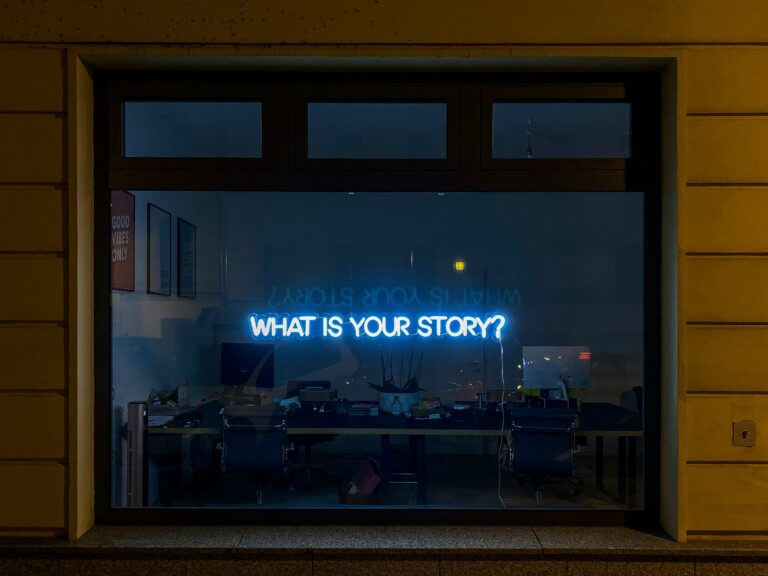
It’s Never Too Late to Tell Your Story

There comes a moment in life when you realize that your story is not behind you—it is within you. Every lesson learned, every obstacle overcome, every joy experienced, and every unexpected turn has shaped a narrative unlike any other. At Sage Collective®, we believe that telling your story is one of the most powerful acts of vibrant living. And perhaps most importantly, it’s never too late to begin.

For older African Americans, storytelling carries an even deeper significance. For generations, stories have been a way to preserve truth, transmit wisdom, and affirm identity in a world that did not always document—or honor—those lived experiences. Stories were shared at kitchen tables, on front porches, in barbershops, in beauty salons, and in places of worship. They carried history forward when history books did not.

Your story is part of that continuum.

Your Story Has Value—Right Now
It is easy to assume that storytelling belongs to the past—that it is something reserved for professional writers, public figures, or historians. But storytelling is not about performance. It is about presence. It is about honoring your life as it has been lived. You do not need to have lived a famous life to have lived a meaningful one.

The courage it took to navigate segregation. The pride of building a career or raising a family. The quiet reinventions. The risks taken. The losses endured. The dreams pursued. These experiences are rich with wisdom—not only for younger generations, but for yourself. Telling your story allows you to see your life more clearly. It reveals patterns of resilience, growth, and strength that may have been invisible while you were busy living them. And sometimes, in the act of telling, we discover that our story is still unfolding.

Storytelling Is an Act of Legacy
When you tell your story, you offer a gift that extends beyond your lifetime. Your children, grandchildren, and community members may never fully know what it was like to live in your time—to witness the changes you witnessed, to carry the responsibilities you carried, or to experience the world through your eyes. Your story becomes a bridge between generations. It preserves not only what happened, but how it felt.

This is how legacy is built—not only through accomplishments, but through reflection, honesty, and voice.

And storytelling today takes many forms. It can be spoken, written, recorded, or shared through conversation. Some people journal. Others record video messages. Some participate in oral history projects or simply share memories during family gatherings. There is no single right way to begin. There is only the decision to start.

Telling Your Story Strengthens Your Sense of Self
Storytelling is not only about looking back—it is about understanding who you are now. When you reflect on your life, you reconnect with your strength. You remember how much you have overcome. You reclaim moments that shaped you. You honor the younger version of yourself who kept going, even when the path was uncertain. This process can bring clarity, healing, and renewed purpose.

It can also inspire others. Your story may give someone else permission to persevere. To begin again. To believe that growth does not end with age.

Your Voice Matters
At Sage Collective®, we believe that vibrant living includes honoring your voice and your lived experience. Your story is not complete simply because time has passed. In many ways, it becomes more powerful with age—tempered by wisdom, perspective, and truth.

You do not need to wait for the “right time.” You do not need perfect words. You only need to begin. Because it’s never too late to tell your story, and the world is better when you do.
› Back to top
« back
06.18.25 | Spirituality & Religion

Juneteenth 2025: Freedom to Flourish

At Sage Collective®, we believe that Juneteenth is not only a historical milestone—it is a living practice. As we prepare to honor Juneteenth 2025 on Thursday, June 19, we’re holding space for remembrance, reflection, and renewal. This year, we invite our community to consider five powerful themes that speak to the enduring legacy of this day and the vibrant futures we continue to shape.

Freedom Is a Practice, Not Just a Past
On June 19, 1865—more than two years after the Emancipation Proclamation—news of freedom finally reached the enslaved people of Galveston, Texas. But freedom did not arrive all at once, and it still hasn’t fully arrived for many. That’s why we say: freedom is not a moment; it’s a movement. It’s a practice. It lives in the choices we make every day—how we care for ourselves, how we show up in community, and how we demand dignity at every age. For older adults, practicing freedom can mean living life on your terms, unlearning limiting beliefs, or embracing joy and self-expression in bold new ways.

Inheritance of Hope: What We Carry, What We Pass Down
Juneteenth reminds us that we are the living legacy of those who dreamed before us. The stories, values, and hard-earned wisdom of older generations carry the weight of history—and the promise of healing. At Sage Collective®, we see our elders not just as keepers of memory, but as visionaries shaping the future. Whether it’s sharing family history, mentoring a young neighbor, or leading with quiet strength, every act of intergenerational connection is an act of liberation.

Joy as Liberation
Freedom doesn’t only live in laws or headlines—it lives in laughter, music, movement, and love. This Juneteenth, we celebrate Black joy as a form of resistance and resilience. For those of us who have seen decades of change, choosing joy—especially in a world that often asks us to shrink—is revolutionary. Throw on that bright outfit. Dance in your kitchen. Sing with your grandkids. Joy is not frivolous; it’s a declaration: I am here. I am whole. I deserve delight.

The Future We Deserve: Aging Boldly, Living Freely
While Juneteenth honors the past, it also challenges us to imagine a future where every person—especially older African Americans—can age with safety, creativity, and care. At Sage Collective®, that future includes access to emerging wellness tools, like virtual reality to support cognitive health. It means equitable healthcare, culturally relevant housing, and opportunities for lifelong learning. Liberation is not just about breaking chains—it’s about building a world where we are free to thrive at every stage of life.

We Are the Storytellers
Who better to preserve the spirit of Juneteenth than those who’ve lived through its echoes? Our elders are our griots—our living archives. When you share your story, you don’t just remember—you teach, you inspire, you light the path forward. Whether it’s through a Zoom call with family, a community oral history project, or a quiet conversation on the porch, we encourage you to speak your truth and honor your voice.

This Juneteenth, Let’s Celebrate the Ongoing Journey
We are not just looking back—we’re moving forward. With each story, song, protest, and prayer, we continue the work of making freedom real. At Sage Collective®, we believe that it’s never too late to live boldly, love deeply, and lead with wisdom. Juneteenth is a reminder that freedom is a flame passed from one generation to the next. May we continue to carry it forward—together.

› Back to top
« back
12.21.23 | Sage Advice®

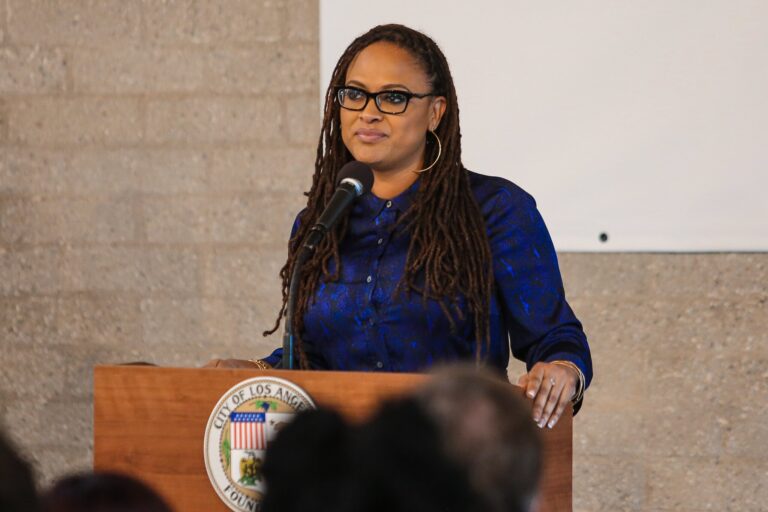
The Art of Storytelling: Ava DuVernay

In our celebration of the art of storytelling, it’s impossible to overlook the profound impact of Ava DuVernay, a filmmaker who has redefined the landscape of American cinema. At Sage Collective, we not only appreciate storytelling in its traditional forms but also how it transcends into different mediums, like film, to evoke emotion, inspire change, and challenge perspectives.

Ava DuVernay, an American filmmaker, and director, has become a household name, known for her powerful storytelling that often centers on social issues, particularly those affecting the Black community. Her work is a testament to the power of film as a medium for storytelling, shedding light on pivotal but often overlooked aspects of history and contemporary society.

DuVernay’s journey in the film industry is one of resilience and perseverance. Initially working as a publicist, DuVernay transitioned into writing, producing, and directing. Her early works set the stage for what would become a career marked by impactful storytelling. It was her second feature film, “Middle of Nowhere,” that won her the Best Director Prize at the Sundance Film Festival in 2012, making her the first Black woman to win this award.

One of DuVernay’s most notable works is “Selma” (2014), a historical drama about the 1965 Selma to Montgomery voting rights marches led by Martin Luther King Jr. and other prominent figures. The film was not just a retelling of history; it was a resonant, powerful piece that connected past struggles to contemporary social issues.

Another significant work is the documentary “13th” (2016), which explored the intersection of race, justice, and mass incarceration in the United States. Through this documentary, DuVernay brought to light how inequality and racial injustice have been systematically embedded into the fabric of American society.

DuVernay’s work extends beyond the screen. She has been instrumental in advocating for diversity and inclusion in Hollywood, both in front of and behind the camera. Her commitment to these causes is evident in her work with ARRAY, a film collective dedicated to amplifying the voices of people of color and women filmmakers.

Ava DuVernay’s approach to storytelling aligns with the core values we hold dear at Sage Collective. Her work reminds us that stories have the power to effect change, connect us, and deepen our understanding of the human experience. DuVernay’s artistry in film inspires us to look at stories not just as a form of entertainment, but as a vehicle for enlightenment, empathy, and empowerment.

Ava DuVernay
Ava DuVernay
› Back to top