« back
03.04.26 | Arts & Culture

Belonging as Brain Protection

We often think of brain health in personal terms: diet, exercise, sleep, mental stimulation. But one of the most powerful protective factors for cognitive vitality is not found in a supplement bottle or fitness tracker. It is belonging.

At Sage Collective®, we’ve been speaking about joyspan — measuring life in moments, not just years. Yet joy rarely flourishes in isolation. It grows in relationship. And neuroscience now confirms what many older adults have always known: Connection isn’t optional.  It is neurological protection.

The Brain Is Wired for Relationship
Human beings are biologically social. Our nervous systems co-regulate with one another. When we sit with someone who listens deeply, our heart rate slows. When we laugh together, stress hormones decrease. When we feel seen and valued, the brain’s reward pathways activate.

Belonging releases oxytocin, often called the bonding hormone,  which reduces inflammation and buffers stress. It supports memory formation and emotional regulation.In contrast, chronic loneliness elevates cortisol, increases cardiovascular strain, and accelerates cognitive decline. This is why public health experts now recognize social isolation as a major health risk. In other words, belonging isn’t sentimental. It is structural.

Cognitive Protection Through Community
Research increasingly shows that social engagement helps build cognitive reserve — the brain’s ability to adapt as it ages. Regular conversation challenges memory recall. Shared storytelling stimulates language networks. Group activities demand attention, coordination, and flexibility. Even navigating social nuance exercises executive function.

In short: community is cognitive cross-training. But it’s not only about mental stimulation. It’s about emotional safety. When we feel that we matter, we are more likely to remain engaged with life. Engagement protects the brain.

The Loneliness Paradox
Many older African Americans report that their social networks shrink with age — through retirement, relocation, or the loss of peers. Yet at the same time, later life can offer deeper, more meaningful relationships when the focus is on intention, not proximity.

Belonging is built through:

  • Regular rituals of connection
  • Shared purpose
  • Intergenerational exchange
  • Cultural continuity
  • Spaces that encourage participation rather than spectatorship

Belonging thrives where people are invited not just to attend, but to contribute.

Intergenerational Relationships as Neural Bridges
One of the most powerful forms of belonging may be intergenerational connection. When older adults mentor, teach, or simply share stories with younger people, something remarkable happens. Wisdom meets curiosity. Experience meets imagination. Both brains benefit. In this way, older adults experience renewed purpose and activation of long-term memory networks. Younger individuals gain empathy and perspective.

The brain does not age out of relevance. It deepens in narrative richness because belonging bridges generations, strengthening neural pathways in both directions.

Designing for Belonging
If belonging protects the brain, then it becomes a design question. How do we design communities, programs, and daily rhythms that encourage interaction?

At Sage Collective®, vibrant living is not a solo pursuit. It is relational. Belonging happens when:

The goal becomes meaningful exchange, not busyness.

Micro-Moments That Matter
Belonging does not require a large network. It requires consistency and authenticity.

A weekly coffee with a neighbor.
A standing phone call.
A book club conversation.
A choir rehearsal.
A shared walk.

Small, repeated interactions strengthen neural pathways associated with trust and reward. The brain begins to anticipate connection, and that anticipation itself releases dopamine.

From Isolation to Invitation
Aging narratives often emphasize independence. Independence matters, of course. But interdependence may matter more. To belong is not to lose autonomy. It is to gain reinforcement. It is to know that one’s presence changes the room.

Belonging tells the brain: You are safe. You are valued. You are needed. These messages ripple through physiology.

A Protective Equation
If stress accelerates aging, and connection buffers stress, then belonging becomes a protective layer around cognitive health. Not as a luxury or as an afterthought, but as a pillar.

Lifespan gives us time. Healthspan gives us capacity. Belonging gives us resilience. And resilience sustains the brain. At Sage Collective®, we believe life expands with age. Belonging is one of the ways it expands — outward into community and inward into neural strength.

Consider, then, that the future of brain health may not lie solely in what we do alone, but in how deeply we connect.

› Back to top
« back
02.18.26 | Arts & Culture

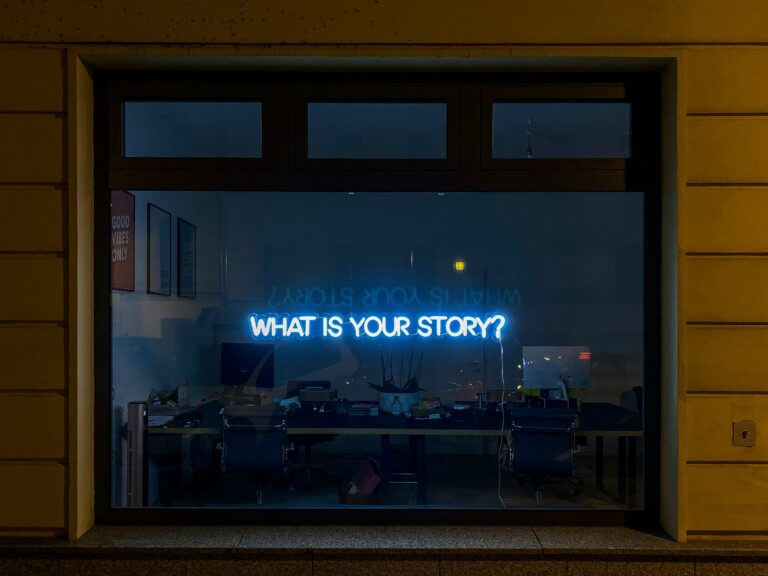
It’s Never Too Late to Tell Your Story

There comes a moment in life when you realize that your story is not behind you—it is within you. Every lesson learned, every obstacle overcome, every joy experienced, and every unexpected turn has shaped a narrative unlike any other. At Sage Collective®, we believe that telling your story is one of the most powerful acts of vibrant living. And perhaps most importantly, it’s never too late to begin.

For older African Americans, storytelling carries an even deeper significance. For generations, stories have been a way to preserve truth, transmit wisdom, and affirm identity in a world that did not always document—or honor—those lived experiences. Stories were shared at kitchen tables, on front porches, in barbershops, in beauty salons, and in places of worship. They carried history forward when history books did not.

Your story is part of that continuum.

Your Story Has Value—Right Now
It is easy to assume that storytelling belongs to the past—that it is something reserved for professional writers, public figures, or historians. But storytelling is not about performance. It is about presence. It is about honoring your life as it has been lived. You do not need to have lived a famous life to have lived a meaningful one.

The courage it took to navigate segregation. The pride of building a career or raising a family. The quiet reinventions. The risks taken. The losses endured. The dreams pursued. These experiences are rich with wisdom—not only for younger generations, but for yourself. Telling your story allows you to see your life more clearly. It reveals patterns of resilience, growth, and strength that may have been invisible while you were busy living them. And sometimes, in the act of telling, we discover that our story is still unfolding.

Storytelling Is an Act of Legacy
When you tell your story, you offer a gift that extends beyond your lifetime. Your children, grandchildren, and community members may never fully know what it was like to live in your time—to witness the changes you witnessed, to carry the responsibilities you carried, or to experience the world through your eyes. Your story becomes a bridge between generations. It preserves not only what happened, but how it felt.

This is how legacy is built—not only through accomplishments, but through reflection, honesty, and voice.

And storytelling today takes many forms. It can be spoken, written, recorded, or shared through conversation. Some people journal. Others record video messages. Some participate in oral history projects or simply share memories during family gatherings. There is no single right way to begin. There is only the decision to start.

Telling Your Story Strengthens Your Sense of Self
Storytelling is not only about looking back—it is about understanding who you are now. When you reflect on your life, you reconnect with your strength. You remember how much you have overcome. You reclaim moments that shaped you. You honor the younger version of yourself who kept going, even when the path was uncertain. This process can bring clarity, healing, and renewed purpose.

It can also inspire others. Your story may give someone else permission to persevere. To begin again. To believe that growth does not end with age.

Your Voice Matters
At Sage Collective®, we believe that vibrant living includes honoring your voice and your lived experience. Your story is not complete simply because time has passed. In many ways, it becomes more powerful with age—tempered by wisdom, perspective, and truth.

You do not need to wait for the “right time.” You do not need perfect words. You only need to begin. Because it’s never too late to tell your story, and the world is better when you do.

› Back to top
« back
02.11.26 | Health & Wellness

Life Doesn’t Shrink With Age. It Expands.

At Sage Collective®, we often say that aging is a widening. A deepening. A quiet flowering of possibility. It’s a time when life becomes more dimensional, not less; when the map of who we are grows more intricate, more beautiful, and more whole.

The common narrative about getting older is one of diminishment: fewer options, less mobility, smaller circles. But we reject that premise. At Sage Collective®, we believe in the power of vibrant living, and we know that aging, when met with curiosity, courage, and community, can be a profound expansion.

Expanding in Curiosity
One of the greatest gifts of age is the freedom to ask deeper questions. What do I really enjoy? What brings me peace? What makes me feel most alive? For many, the answers shift over time—and that’s something to celebrate. No longer constrained by roles or routines that once defined daily life, older adults often rediscover long-dormant passions or uncover new ones altogether.

Whether it’s learning a language, experimenting in the kitchen, taking up painting, or simply walking a different path through the neighborhood, each small act of discovery builds a bigger, brighter inner world. Curiosity doesn’t fade with age—it ripens.

Expanding in Connection
As we age, our relationships often become more intentional. We are more attuned to what matters, more generous with our time, more tender in our listening. Instead of a shrinking social sphere, we find opportunities for new friendships, intergenerational exchange, and deeper bonds.

At Sage Collective®, we see this in action through storytelling circles, book clubs, shared meals, and artistic collaborations. When we create spaces for gathering, reflection, and joy, we see that connection isn’t just preserved—it’s multiplied.

Expanding in Perspective
Older adults are the keepers of lived wisdom. With age comes the ability to see patterns, to witness life’s cyclical nature, and to hold complexity with grace. Where once things felt urgent, there is now space. Where once there was fear, there may be clarity.

This broader perspective doesn’t mean disengagement—it means discernment. It means knowing when to speak and when to listen. It means valuing rest as much as action, and recognizing the subtle power of presence.

Expanding in Legacy
Expansion doesn’t always mean more—it often means deeper. Planting a garden. Writing a memoir. Mentoring a younger person. Volunteering for a cause that speaks to your heart. These are acts of legacy. Each one sends out ripples of meaning and purpose that extend far beyond the moment.

At Sage Collective®, we believe that legacy isn’t reserved for the end of life—it’s built in the everyday. It lives in the choices we make, the values we model, and the way we show up for ourselves and others.

› Back to top
« back
02.04.26 | Lifestyle

Black History Month 2026: A Century of Commemoration, A Future in Bloom

This year marks a powerful milestone: A Century of Black History Commemorations. Since the inaugural celebration of Negro History Week in 1926—conceived by historian and visionary Carter G. Woodson—Black communities have carried forward a sacred tradition of honoring their past, celebrating their culture, and building toward a brighter future.

As we observe Black History Month 2026, we honor not only a century of remembrance—but also a century of resilience, resistance, joy, and boundless creativity. At Sage Collective®, we celebrate this history not as something behind us, but as something alive within us. Because for us, life doesn’t shrink with age—it expands.

100 Years of Storytelling, Healing, and Uplift
The past century has seen the world transformed by the influence of Black artists, thinkers, caregivers, and changemakers. From the Harlem Renaissance to the Civil Rights Movement, from kitchen-table organizing to tech innovation, Black history has never been static—it has always moved, evolved, and deepened.

Each February since 1926, this rich and dynamic history has been elevated, thanks to community leaders, educators, clergy, elders, and families who kept the flame alive. They gathered in schools, churches, living rooms, and libraries—not only to reflect on where we’ve been, but to pass on wisdom, pride, and possibility to new generations.

An Intergenerational Celebration
Sage Collective® believes that vibrant aging means staying connected—to others, to purpose, and to culture. That’s why Black History Month is so essential: it’s a reminder that legacy lives in conversation. Whether it’s a grandson hearing about his grandmother’s first march, or a neighbor recalling the music that shaped their youth, these stories bind us. They bring healing. They spark pride. And they ensure that Black excellence is never forgotten.

Let’s use this centennial moment to ask questions, to listen more deeply, and to amplify voices—especially those of our elders—who have lived history and made it.

Honoring Joy, Not Just Struggle
This year, as we celebrate a century of commemorations, we also celebrate a century of Black joy. Because joy has always been a radical act of resistance. It is in the rhythm of the drum, the laughter around the dinner table, the bold colors of Sunday fashion, the poetry scribbled in the margins.

While it’s important to remember injustice, it’s equally vital to remember how Black communities have thrived in spite of it. With love. With brilliance. With style. With imagination.

History in the Making
The truth is, Black history doesn’t only live in museums or archives. It’s being made right now—by the innovators, artists, caregivers, educators, and dreamers shaping our neighborhoods and our nation.

Sage Collective® stands proudly at the intersection of this legacy and this future. Through our focus on cultural arts, health equity, digital learning, and intergenerational connection, we uplift the values that have long defined Black excellence—and ensure they live on in vibrant, contemporary ways.

A Call to Remember, A Call to Expand
A century after the first formal Black History observance, we continue to honor those who came before us, while investing in those who will come next.

This month, we invite our community to:

  • Share your stories and memories with younger generations.
  • Read a novel, watch a documentary, or attend a local event that centers Black voices.
  • Support Black-owned businesses and creators.
  • Reflect on how you’re helping to build a future worthy of this legacy.

Let us mark this 100th year not only with reflection, but with commitment—to justice, to culture, to wellness, to vibrant living.

› Back to top
« back
01.28.26 | Arts & Culture

What Still Feels Possible: Reclaiming Optimism in Later Life

Optimism is often portrayed as a youthful trait—an untested belief that anything can happen. But at Sage Collective®, we recognize another form of optimism: one shaped by experience, reflection, and resilience.

This later-life optimism doesn’t deny hardship or loss. It doesn’t gloss over complexity. Instead, it asks a quieter, more powerful question: What still feels possible?

Unlike the expectations of earlier life, this question doesn’t demand reinvention or constant forward motion. It invites agency without pressure. It honors the truth that possibility changes shape over time—and that this evolution is not a diminishment, but a refinement.

For many older adults, possibility no longer lives in sweeping plans or distant milestones. It shows up in meaningful engagement. In learning something new for the pleasure of discovery, not mastery. In deepening relationships through presence rather than performance. In contributing wisdom, care, or creativity to a community that values lived experience.

Reclaiming optimism at this stage of life means redefining success. It shifts from accumulation to meaning, from speed to depth. It allows curiosity to replace urgency. And it acknowledges that becoming does not end—it continues, differently.

At Sage Collective®, we believe vibrant living is sustained by curiosity and connection at every age. Optimism, in this context, is not blind hope—it is informed hope. It is the confidence that one can still participate fully in life: intellectually, socially, culturally, and emotionally.

Consider the older adult who enrolls in a class simply because the topic sparks interest. Or the one who volunteers, mentors, or shows up consistently for conversations that matter. Or the person who finds renewed optimism not in doing more, but in doing what feels aligned.

This form of optimism is grounded. It respects limits while refusing resignation. It recognizes that while some doors close, others open—often leading inward, toward clarity and purpose.

Community plays an essential role here. Possibility is easier to imagine when it is reflected back to us by others—through dialogue, shared learning, and belonging. When older adults are invited to engage, to contribute, and to be seen as vital participants, optimism becomes collective.

Asking What still feels possible? is not about measuring what remains. It is about affirming what endures: curiosity, connection, meaning, and care.

This question does not require an immediate answer. It simply asks for attention.

And in that attention—gentle, honest, and ongoing—optimism finds its way back in. Not as a promise of endless futures, but as a reminder that even now, life is still offering invitations worth accepting.

› Back to top
« back
01.07.26 | Mental Wellbeing

The Gentle Art of Beginning Again

January arrives quietly. Light lingers a little longer on windowsills. The world exhales after the rush of the holidays. At Sage Collective®, we see this moment as an invitation to begin again.

So much of the new year narrative is built on urgency: fix what’s broken, set bigger goals, become something else. But vibrant living, as we understand it, is not about erasing who we’ve been. It’s about staying open to who we are still becoming.

Beginning again, later in life, carries a different wisdom. It is less about speed and more about discernment. Less about proving and more about aligning. It honors continuity—recognizing that experience, memory, and perspective are not obstacles to growth, but its foundation.

For some, beginning again may be as simple as returning to a practice once loved. A woman who hasn’t touched a piano in decades sits down to play—not to perform, but to remember how music feels in her hands. A man joins a discussion group after years of hesitation, discovering that curiosity still thrives in conversation. Another reframes a daily walk—not as exercise to complete, but as a ritual for noticing light, weather, and thought.

These are not dramatic transformations. They are meaningful renewals.

Earlier in life, beginnings often feel expansive and outward-facing—new careers, new cities, new identities. With time, beginnings take on a quieter power. They move inward, toward clarity, sustainability, and purpose. They ask not “What should I do next?” but “What deserves my attention now?”

At Sage Collective®, we believe aging is an active, dynamic process. Growth doesn’t end—it evolves. Beginning again might mean learning for the joy of learning, without pressure to master. It might mean listening more deeply in relationships, offering presence rather than advice. It might mean letting go of expectations that no longer serve, making room for what does.

Importantly, beginnings rarely happen alone. They are shaped and sustained by community. A shared meal that turns into a meaningful conversation. A class, lecture, or creative gathering that reawakens curiosity. A space where one feels welcome to arrive exactly as they are. Interdependence—the give and take of encouragement, reflection, and belonging—makes gentle beginnings possible.

As we step into a new year, Sage Collective® invites you to consider a different posture toward January. Not one of self-improvement, but of self-attunement. Not urgency, but intention.

You might ask yourself:

  • What feels quietly inviting right now?
  • What part of my life is asking for renewed attention—not pressure?
  • What can I begin again with patience and care?

Beginning again does not require a perfect moment, a clean slate, or a bold declaration. It happens in small choices, repeated with kindness. Vibrant living begins not with becoming someone new, but with honoring who you are—and taking the next gentle step forward.

› Back to top
« back
12.24.25 | Arts & Culture

Gratitude and the Art of Enjoying the Holidays

The holiday season arrives wrapped in familiar comforts: the scent of something warm in the oven, handwritten cards on the table, music that stirs old memories, and conversations that bridge the past and present. Yet for many older adults, these weeks can bring complicated emotions as well — joy intertwined with nostalgia, anticipation mixed with loss, celebration layered with the desire for more connection.

At Sage Collective®, we believe vibrant living includes embracing the full emotional landscape of this season. Gratitude, practiced with intention, becomes a powerful companion — one that can help us savor meaningful moments, connect more deeply with others, and experience the holidays with greater ease and fulfillment.

Understanding Gratitude as a Practice
Gratitude is far more than saying “thank you.” It’s a way of noticing, pausing, and appreciating. Research continues to show that regular gratitude practices support emotional resilience, reduce stress, and boost overall well-being — benefits that are especially meaningful as we navigate the rhythms of aging.

For many older adults, gratitude also becomes a bridge between memory and presence. It allows us to honor the stories that brought us here while remaining open to the pleasures of now. A holiday tradition may look different this year; a gathering may feel quieter; a familiar chair may be empty. Gratitude doesn’t erase these truths — it gently makes room for them while helping us see what is still vibrant, still sustaining.

Ways to Cultivate Gratitude During the Holidays
The holidays are full of small moments that can easily pass unnoticed. Slowing down, tuning in, and practicing gratitude can transform this season into something rich with meaning. Here are a few simple ways to begin:

  • Create a gratitude pause. Start or end each day with a brief moment of reflection. What brought comfort? What offered delight? What connection felt meaningful? Even noting one small moment — the glow of a candle, a phone call from a friend — can shift the emotional tone of a day.
  • Share gratitude with others. Expressing appreciation strengthens relationships and brings warmth to holiday gatherings. A handwritten note, a thoughtful email, or a shared memory can help loved ones feel seen and valued. Gratitude is deeply contagious — one expression often inspires another.
  • Revisit traditions with intention. Holiday rituals evolve over time. If certain traditions no longer fit your energy or needs, gratitude can help you gently reimagine them. Instead of focusing on what’s changed, reflect on what part of a tradition still brings joy — whether it’s a recipe, a song, or a simple moment of togetherness.
  • Give yourself the gift of rest. The holidays don’t have to be rushed. Gratitude for your own well-being means granting yourself permission to move at your own pace — to say no when you need to, to enjoy quiet moments, and to protect your emotional and physical energy.
  • Stay open to everyday wonder. This season is filled with small beauties: winter light moving across the room, the comfort of a familiar sweater, the sound of laughter in the background. Allow yourself to savor these moments, even — and especially — the unexpected ones.

A Season to Embrace With Grace
Gratitude doesn’t make the holidays perfect; it makes them honest, grounding, and deeply human. It invites us to approach each day with gentleness and to celebrate what is meaningful in ways that reflect our own stage of life. At Sage Collective®, we champion practices that nourish the mind, body, and spirit — and gratitude is one of the most powerful tools we have.

As you move through the holiday season, may you find pockets of joy, threads of connection, and moments of quiet appreciation that remind you: vibrant living begins not with what we do, but with how fully we choose to notice and cherish it.

› Back to top
« back
12.17.25 | Mental Wellbeing

The Sound of Memory: How Singing and Reading Aloud Support Brain Health in Older Adults

At Sage Collective®, we believe vibrant living isn’t just about adding years to life—it’s about filling those years with connection, joy, and continual growth. And increasingly, research affirms something that communities have known for generations: the simple acts of singing and reading aloud can profoundly support cognitive resilience, emotional well-being, and even help protect against dementia.

These practices may appear modest on the surface, but beneath them is a symphony of neurological engagement—rhythm, language, breath, memory, emotion—that stimulates the brain in ways both restorative and preventive.

A Workout for the Brain
Singing and reading aloud are, quite literally, workouts for the brain. They engage multiple regions simultaneously: those responsible for speech and language, those that process rhythm and sound, and those that regulate memory and emotion. Neuroscientists often refer to this as “cross-training” for the brain—activities that stimulate layered pathways rather than single functions.

For older adults, keeping these networks active is essential. Studies suggest that regular engagement with language and music can strengthen cognitive reserves—the brain’s ability to adapt, compensate, and maintain function as we age. This reserve is one of the strongest protective factors against the onset or progression of dementia.

Memory’s Hidden Pathways
One of the extraordinary things about music is the way it threads through memory. Even when other pathways falter, musical memory often remains intact. Many caregivers of people with dementia have witnessed this miracle: a person who struggles with everyday conversation may still remember an old hymn, a favorite jazz standard, or the songs of their childhood.

This is because singing activates procedural and emotional memory—types of memory stored in areas of the brain that are often more resilient to decline. When older adults sing regularly, especially songs they know, they strengthen these pathways and reinforce connections to personal history, identity, and community.

Reading aloud has similar effects. Unlike silent reading, which is largely internal, reading aloud requires the brain to convert written symbols into spoken language, engage the breath and vocal cords, and sustain attention in the present moment. That combination enhances executive function and verbal fluency—two areas often affected early in cognitive decline.

Emotional Lift, Social Connection
The benefits of singing and reading aloud extend beyond cognitive health. They nurture emotional well-being, boost confidence, and encourage social connection—all protective factors against dementia.

Singing in a group—whether a choir, a casual gathering, or a weekly sing-along—creates a sense of belonging. Voices align, breath synchronizes, and participants often experience an uplifting release of endorphins. These positive emotions help counter stress and loneliness, both of which are linked to cognitive decline.

Reading aloud can do the same. Whether sharing a poem, telling a story, or participating in a reading circle, the practice builds community and encourages conversation. It becomes a shared ritual: a way of being present together, of listening and being heard.

A Practice That Sparks Joy
At Sage Collective®, we champion activities that nourish the whole person—mind, body, and spirit. Singing and reading aloud require no special equipment, no large commitment of time, no prior training. They are accessible, joyful, and deeply human.

For older adults looking to strengthen cognitive vitality, these practices offer a gentle and powerful daily ritual: a way to stay mentally agile, emotionally connected, and rooted in the pleasure of expression. And perhaps most importantly, they remind us that the tools for vibrant living have been within us all along—our voices, our stories, and the songs that help us remember who we are.

› Back to top
« back
12.11.25 | Mental Wellbeing

Wu Jin Qi Yong: The Infinite Usefulness of a Life Well-Lived

In classical Chinese philosophy, the phrase wu jin qi yong translates loosely to “inexhaustible usefulness” or “an endless capacity to give.” It describes something whose value continually expands the more it is used—a wellspring that replenishes itself, an energy that grows through expression.

For the Sage Collective® community, this ancient idea speaks directly to the heart of vibrant living. It offers a powerful reframe for aging—less as a narrowing of possibilities and more as a deepening well of presence, wisdom, creativity, and connection.

A Philosophy of Limitless Potential
The traditional meaning of wu jin qi yong suggests that the most enduring sources of value come from within:

  • One’s inner resources
  • One’s cultivated purpose,
  • One’s lifelong capacity to learn, adapt, and contribute

These qualities do not diminish with age; often, they strengthen. Older adults accumulate experiences, insights, and practices that—when activated—create a ripple effect across families, neighborhoods, and communities.

In this way, wu jin qi yong becomes a beautiful metaphor for the Sage Collective® ethos: a life’s usefulness is never spent; it continues to unfold in ways both subtle and profound.

Endless Usefulness Through Vibrant Living
At Sage Collective®, vibrant living means embracing life’s later chapters with intention, curiosity, and joy. When paired with the lens of wu jin qi yong, vibrant living becomes a practice of continually activating one’s inner abundance.

Creativity that Expands with Use. Whether through calligraphy, painting, storytelling, music, or digital exploration, creative practice embodies wu jin qi yong. The more you use your creativity, the more you have. This is why Sage Collective® champions creative arts as essential to well-being: they replenish the spirit and spark new discoveries long after traditional “productivity” fades.

Wisdom as an Infinite Resource. Older adults hold generational knowledge—cultural, emotional, practical, and spiritual. Sharing that wisdom through conversation, mentoring, or community engagement multiplies its value. In the spirit of wu jin qi yong, every story told, every insight offered, every memory shared becomes part of a collective inheritance.

Connection That Grows Through Generosity. Relationships flourish when tended. Acts of kindness, presence, and empathy enrich both the giver and the receiver. Sage Collective®’s programs—which encourage gathering, dialogue, and shared creative pursuits—highlight the truth that connection is an inexhaustible resource. The more we offer, the more we receive.

Curiosity That Never Runs Dry. Lifelong learning—whether through technology exploration, cultural education, wellness practices, or tactile crafts—embodies wu jin qi yong by demonstrating that the mind retains its ability to expand at any age. Curiosity keeps the world large, colorful, and full of possibility.

Purpose That Evolves, But Never Ends. Purpose isn’t fixed; it adapts across a lifetime. For older adults, purpose might be found in caregiving, creative expression, advocacy, spirituality, or community involvement.

The philosophy of wu jin qi yong reminds us that purpose deepens with age.

A New Narrative for Aging
In Western culture, aging is often framed as decline or diminishment. Wu jin qi yong offers an entirely different narrative:

  • Aging is an ever-renewing source of value.
  • Aging expands a person’s capacity to give.
  • Aging reveals the boundless energy that comes from inner cultivation.

This perspective harmonizes beautifully with Sage Collective®’s mission to uplift older African Americans and foster environments where they can flourish physically, emotionally, culturally, and spiritually.

Living the “Inexhaustible Life”
To embody wu jin qi yong in daily life is to trust that:

  • The spirit replenishes itself
  • One’s gifts grow through use
  • Aging brings forth a deeper reservoir of meaning

It is to live with an open heart and a willingness to engage with the world—whether through art, learning, leadership, or simple acts of presence. For the Sage Collective® community, wu jin qi yong is an invitation to embrace a life that remains abundant, useful, and full of purpose at every age. A life that is, in every sense, vibrantly inexhaustible.

› Back to top