Living Well With What You Carry
What does it mean to be healthy?
For much of our lives, we are taught to think of health in fairly simple terms. You are healthy or you are sick. Something is working or something is wrong. A diagnosis can begin to feel like a dividing line between the life you had before and the life you are living now.
But aging tends to complicate that picture. Many older adults live with high blood pressure, diabetes, arthritis, heart disease, chronic pain, or other ongoing conditions. Some take several medications. Some navigate limitations that require attention every day. And yet, many of those same people will tell you that they are doing well.
A recent national AARP study of African Americans aged 50 and older captures this seeming contradiction beautifully: 61% of respondents reported living with a chronic illness, while 80% rated their physical health as good or better. Perhaps those two things are not contradictory at all.
At Sage Collective®, we believe vibrant living has never required perfect circumstances. And perhaps vibrant health does not require a perfectly functioning body either.
Health Is More Than the Absence of Illness
We often define health by what is wrong: Blood pressure. Blood sugar. Cholesterol. Joint pain. A diagnosis written in a medical record. All of these things matter. Chronic conditions need attention, appropriate treatment, and ongoing relationships with healthcare providers. But they do not tell the entire story of a person’s health.
But health is also the ability to move through the world with some degree of independence. To enjoy a meal. To laugh with a friend. To sleep well. To remain curious. To participate in community. To feel useful. To experience moments of pleasure, connection, and purpose. In other words, we can carry an illness without allowing that illness to become the whole definition of who we are, and the distinction becomes increasingly important as we age.
The Reality of Living With Something
Unlike an infection that clears or an injury that heals, many conditions become companions of a sort — unwelcome ones, perhaps, but part of the landscape of everyday life. In this way, living well can require a different skill set than simply “getting better.”
It means learning your body. Knowing when something has changed. Understanding your medications. Keeping appointments. Asking questions. Adjusting routines when necessary. Paying attention to sleep, movement, nutrition, and stress.
But it also means knowing when not to think about your condition There is a life to be lived between medical appointments, and learning to manage an illness without allowing it to occupy every corner of one’s identity can itself become part of healthy aging.
Wellness Can Hold Two Truths at Once
The AARP research describes the experience of African Americans 50 and older through the idea of duality — the ability for seemingly opposing realities to exist at the same time. Its findings reveal people experiencing burdens and joy, illness and well-being, financial pressures and strong support networks simultaneously. This can be a useful way to think about health.
You can have arthritis and still love your morning walk.
You can manage diabetes and still delight in cooking.
You can have limited mobility and remain deeply engaged with friends, family, art, music, faith, or community.
Aging teaches us that two truths can live beside each other, and acceptance doesn’t mean giving up. It means seeing ourselves whole.
From Fixing the Body to Caring for It
Much of modern health culture is organized around correction. Lower this number. Lose this weight. Eliminate this symptom. Restore this function. Sometimes this approach is exactly what medicine requires. But caring for an aging body also calls for something gentler: stewardship.
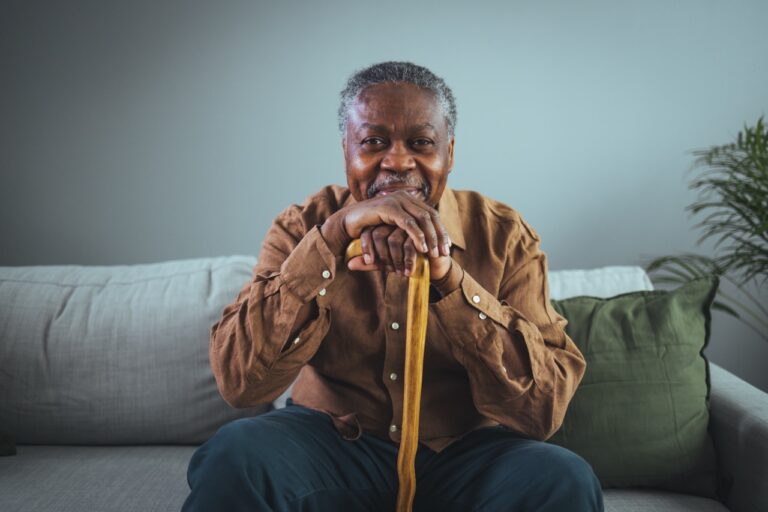
Stewardship asks a different question. Not simply, How do I fix what is wrong? but How do I care well for the body I have? It might mean taking medication consistently. It may mean strength training, stretching, walking, changing how we eat, protecting sleep, or learning better ways to manage stress. It might also mean using a cane without embarrassment, asking for help when we need it, resting when the body asks for rest, or adapting an activity we love rather than abandoning it altogether.
How We Think About Aging Matters
Our perception of our own aging may also influence how we experience it. The AARP research continues to explore the connection between attitudes about aging and perceived health, while broader research has associated more positive views of aging with healthier behaviors and better well-being. This doesn’t mean positive thinking cures illness. Nor does it mean we should ignore pain, disability, frustration, or inequities in healthcare. It means the story we tell ourselves about our bodies matters.
If every change becomes evidence that life is shrinking, we may begin withdrawing from experiences that still remain available to us. But if adaptation is understood as part of living, we can begin asking a more productive question: Given what I carry, how do I want to live?
Well-Being Is Also Social
The same AARP study found strong networks among African Americans 50 and older, with 85% reporting that they have someone they can rely on in an emergency. Family, friends, and faith communities remain important sources of support. these relationships matter. Someone who encourages us to go for a walk. A friend who notices when we have missed church. A neighbor who drives us to an appointment. A family member who understands our medical history. A group that gives us somewhere to be on Tuesday morning.
They may not look like healthcare interventions, but they are part of the ecology of well-being. A person can have excellent medical care and still be lonely. Conversely, meaningful relationships cannot replace medical treatment, but they can help make a life feel worth caring for.
Redefining What It Means to Be Well
At Sage Collective®, we often use the phrase vibrant living because it leaves room for reality. Vibrancy doesn’t mean perpetual energy, perfect health, or denying the difficulties that come with aging. It means remaining engaged with life. It means caring for ourselves while continuing to participate, and understanding our conditions without becoming our conditions.
Perhaps this is why so many older adults can live with chronic illness and still say, sincerely, I am healthy. They have learned not to wait for everything to be perfect in order to live well.