« back
06.25.25 | Mental Wellbeing

It’s Never Too Late to Dance

At Sage Collective®, we believe that aging is not about slowing down, but about embracing the sources that bring meaning, joy, and vitality to our lives. Among those sources, few are as universally joyful as dance. Whether it’s a graceful sway with a loved one to a soulful tune or an eccentric twirl in the bathroom, dance is a celebration of the present moment. And yet, too often, society tells us that with age comes a limitation of what kind of movement our bodies can enjoy. We wholeheartedly disagree. This is your invitation to reclaim the dance floor to rediscover the freedom that comes when you let your body move in harmony with your creative, open self. Because the truth is simple and powerful: you’re never too old to dance.

Dance Is for Everyone
Dance belongs to all of us; we celebrate dance as a personal expression available to anyone—at any age, in any body, and at any pace. Whether it’s ballet or line dancing, chair-based movement or hip hop in your living room, there is no right way to appreciate the creative bones in your body. The beauty of dance is that all you need is your own body and a delight for the act.

There is no need to be a classically trained dancer who is extremely young to produce the art form that is dance. While many focus on the technique of the movement, there is a love and passion that is imperative to have in order to not only do the art form, but enjoy it as well.

Physical and Mental Benefits of Dancing as You Age
At Sage Collective®, we know that movement is one of the most powerful ways we honor our bodies and its story. Dancing, in particular, is a joyful form of movement that nurtures body, mind, and psyche. As we age, regular dance can support balance, flexibility, and coordination—helping us move with greater confidence and stability. It strengthens the heart, encourages better posture, and promotes circulation. And perhaps just as importantly, it’s fun. So often, exercise feels like something we should do while dance is something we want to do.

But the benefits of dance go far beyond the physical. When we dance, we stimulate the brain by learning new steps and challenging our memory, responding to rhythm by carefully listening to the music accompanying our steps, making split-second decisions about where and how to move, and even taking risks by presenting ourselves in a new but vulnerable position. This keeps our minds sharp, engaged, and confident. Dancing also uplifts our emotional well-being by reducing stress, easing feelings of loneliness, and reconnecting us with a sense of youthful play. It can connect us to a community or connect us back to ourselves, it can be social and it can be deeply personal. The simple act of moving to music can remind us: we are still growing, still vibrant, still alive with endless potential.

Real-Life Inspirations
Take Ida Keeling, she was known to break records in sprinting by running a 100-meter dash in 1 minute and 17.33 seconds in the women’s ages 100-104. Part of her training and warm ups for these impressive athletic triumphs were dancing exercises. She quickly became known for her joyful dancing that was a symbol for resilience.

Then there is Dawn Hampton. She had a full career as a jazz musician and then delved into the world of dance. She became reacquainted with her love of dancing in her 60s and 70s, becoming a swing teacher and dancer, performing all over the world.

Getting Started
Whether you’re returning to dance after many years or trying it for the very first time, remember: there is no right way to begin, only your way.

Here are a few simple ways to get started:

  • Start with music you love. Put on a favorite song and allow your body to respond naturally. Even a head nod or toe tap counts, whatever is enjoyable and expressive for you.
  • Dance in the privacy of your home. If stepping into a public space feels too big right now, start in your living room, kitchen, or in front of the mirror.
  • Try chair dancing. Start swaying and moving your arms to start a gentle movement. It is a beautiful way to connect with rhythm and is perfect for those with limited mobility.
  • Set a small goal. Whether it’s dancing for one song a day or attending a weekly class, consistency matters more than intensity.
  • Be proud of yourself. It is not easy starting something new, especially when society is telling you it’s impossible. Appreciate your ability to continue your growth process.

No matter our age or ability, we are all capable of letting loose and dancing to our favorite song. In these spaces, there are no wrong steps, only authentic ones.

› Back to top
« back
08.03.23 | Health & Wellness

The Benefits of Chair Dancing for Older Adults: Fitness, Fun, and Flexibility

In our pursuit of vibrant living, physical activity plays an increasingly crucial role. At Sage Collective, we’re dedicated to promoting fun, engaging, and accessible ways to keep moving. One such practice that has been gaining popularity among older adults is chair dancing. Today, we’re explore the fascinating world of chair dancing and how this fun fitness routine can enhance physical health, mental clarity, and overall well-being.

What is Chair Dancing?

Chair dancing is a dynamic and enjoyable form of exercise that integrates the rhythms and movements of dance into a seated routine. This low-impact activity is designed to accommodate all ages and fitness levels, making it a superb choice for older adults. Using a chair for support, individuals can savor the joys of dancing without concerns about balance or mobility. It allows everyone, regardless of physical ability, to engage in an energetic activity that promotes cardiovascular health, strength, flexibility, and coordination.

Health Benefits of Chair Dancing

Chair dancing provides a comprehensive workout that engages various muscle groups, enhancing cardiovascular health, increasing muscle tone, and promoting better coordination and balance. This low-impact activity also promotes joint mobility and flexibility, critical elements in maintaining a vibrant and active lifestyle.

Beyond its physical benefits, chair dancing can significantly improve mental well-being. The invigorating music and engaging movements stimulate cognitive activity, encouraging memory recall and enhancing focus. By naturally lifting your mood and reducing stress, chair dancing helps foster a happier, more positive mindset.

Chair dancing also has social benefits. Participating in a group setting can create a sense of community and connection. Joining a chair dancing class offers a fun, social way to stay active, contributing to an overall sense of well-being and joy as part of a vibrant lifestyle.

Getting Started with Chair Dancing

Starting your chair dancing routine requires some planning and gradual progression. Ensure you have a sturdy chair and enough space to move your arms and legs freely. Wearing comfortable clothing that facilitates easy movement is also essential. You can customize chair dancing to match your fitness level. If you’re new to the practice, start with slower, gentler routines and progressively build up to faster, more robust dances.

Community centers or gyms often offer chair dancing classes. If you prefer the comfort of your home, there are numerous online resources, including tutorials on YouTube and other platforms, catering to various skill levels. Most importantly, chair dancing should be fun and enjoyable. Use this time to express yourself, embrace the rhythm of the music, and immerse yourself in the joy of movement.

Chair dancing offers a host of physical, mental, and social benefits for older adults, contributing to a vibrant, fulfilling life. With such a fun and accessible form of exercise, it’s an excellent time to get moving and embrace an active lifestyle. At Sage Collective, we’re committed to nurturing a balanced, vibrant lifestyle that combines physical activity, mindfulness, and joy. With chair dancing, older adults can integrate all these elements, enhancing their well-being, and fostering a positive, active lifestyle.

› Back to top
« back
11.10.22 | Community

Health Benefits of Yoga

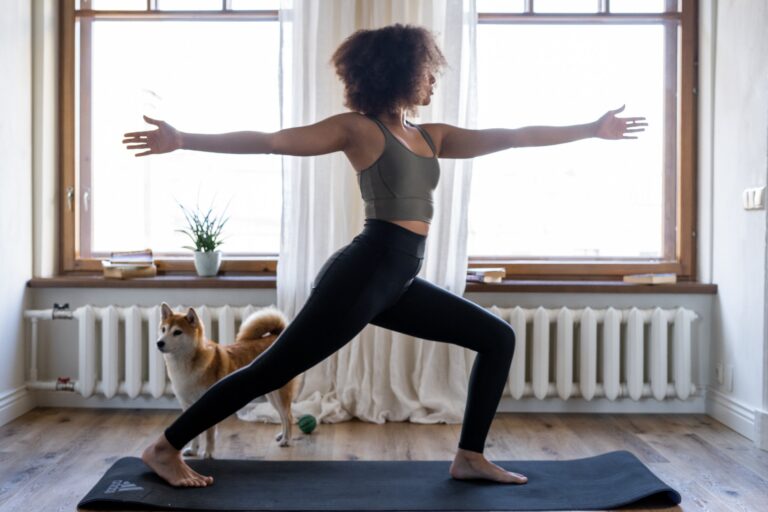
For those who love to get their daily exercise outside in the fresh air, the cool weather that comes with the winter can make that difficult. Thankfully though, there are plenty of ways you can complete your fitness goals from the comfort and warmth of your home, including yoga! Yoga is a low-impact activity perfect for anyone who wants to get their heart rate up while practicing mindfulness, and of course, it comes with a wide array of health benefits. Here are just a couple: 

Increases Strength

Yoga has been found to improve strength, balance and flexibility. Going through the slow, gentle movements and deep breathing exercises increases blood flow and warms up your muscles. Holding poses helps you develop better core strength and, in turn, improves your posture! And as you stretch your muscles with each pose, you also increase your range of motion and flexibility. Overall, the impact of this exercise leads to increased body awareness as well.

Aids in Pain Relief

For those going through an illness, recovering from surgery or living with a chronic condition, yoga is highly recommended. That’s because the practice has the potential to aid in pain relief — specifically, back pain. Stretching your lower back through various poses is believed to help relieve pain and improve flexibility overall during the healing process. And for those with arthritis: gentle yoga has been shown to ease some discomfort when it comes to those tender, swollen joints. 

Boosts Energy and Mood

As a practice grounded in body-mind-spirit connection, yoga naturally has an impact on your mental health as well as your physical health. Yoga has been demonstrated to aid in stress relief and even lead to a better night’s sleep. It also provides a boost to your overall energy and mood levels, producing better alertness and enthusiasm in its wake.

So, whether you’re looking for a low-impact fitness regimen or seeking a sense of groundedness, yoga is a great and healthy option for everyone. 

› Back to top