« back
12.30.21 | Personal Development

Resolutions for 2022

One of the best ways to set yourself up for success in a new year is by making a list of resolutions before it starts. This tradition is a powerful way to articulate your values and can hold you accountable for your goals heading into the new year. In case you’re unsure of what to add to your to-do list, here are some resolutions you can take into 2022 to continue championing a vibrant lifestyle.

Start Something You’ve Always Dreamed About

Heading into the new year, make it a priority to make an ambitious dream come true. Not only is it essential to set goals for yourself throughout the new year, but achieving them leads to significantly rewarding experiences. Whether you want to head back to school, discover a new hobby or change career paths, don’t be afraid to take initiative of your life. Fulfilling dreams helps give your life purpose, control and meaning. And, if this isn’t the year to do it, when is?

Put Your Health First

Putting your health first encompasses a variety of choices that you can make throughout the year. It’s important to remember that your body’s health consists of both physical and mental elements. So, while making sure you try to incorporate moderate, regular physical activity into your life along with a variety of nutritious foods, taking care of your mental health is just as important. And, lucky enough, sometimes specific actions will go hand in hand with helping both areas of wellness. 

Live in the Moment

If the past few years have taught us anything, it’s that we shouldn’t take anything for granted. We believe one of the most significant goals you should have in the new year is to live in the present. To do so, you must focus on the now. A few great ways to do this are by practicing mindfulness, performing meditation or simply performing random acts of kindness in your community.  

We’re thankful to keep learning from the lessons that 2021 has taught us and couldn’t be more excited to see how our resolutions will play out in the upcoming year!

› Back to top
« back
12.14.21 | Community

Deliciously Healthy Winter Dishes For Any Gatherings

When winter comes around, no matter where you end up, it’s not difficult to find the sweet treats and savory meals that are traditionally associated with the season. However, for those inspired to maintain or start conscious eating habits, the winter can be a difficult time filled with temptation. Today, inspired by our vibrant living principles, we’re sharing a few deliciously healthy winter dishes that anyone can enjoy this winter. 

Sweet Potatoes

A favorite during this time of year, sweet potatoes are hard not to enjoy. While most people enjoy sweet potatoes even sweeter, baked with brown sugar and marshmallows, there are various methods to cook the vegetables that are just as enjoyable but much healthier. Like a standard potato, sweet potatoes can be served in a variety of ways. Baking them whole, mashing them, and even dicing them in a salad proves how versatile the vegetables can be. No matter how you cook them, we promise they won’t lose the sweetness that makes them so delectable in the first place. 

Winter Crudités

Who doesn’t love a mix of fresh vegetables? Crudités make the perfect winter dish for that reason. Not only can the appetizer appeal to virtually anyone, but it comes with a plethora of highly vitamin-packed vegetables that you can personally pick and choose. If you want to put a twist on the classic appetizer, make your own tasty dip to pair with the refreshing produce. 

Festive Fruit Salad

While it might seem out of season, a festive and healthy fruit salad is sure to excite taste buds in the winter. Similar to the crudités, not only is this dish healthy, but you can bring it and eat it anywhere and anytime. The nourishing food makes a perfect option for a morning snack or a late-night dessert. Along with the fruit, don’t be afraid to add in extra ingredients that bring even more flavor to the salad like mint, basil, lavender or even cayenne pepper for a little heat. 

Seasonal Squash

Another versatile food, squash is the perfect vegetable to substitute in and out of almost every traditional meal. Typically harvested in the fall, the nutrient-packed acorn squash, sugar pumpkins, spaghetti squash and butternut squash are available for cooking your favorite dishes year-round. Some seasonal favorites include butternut squash mac and cheese, soup and casserole, stuffed acorn squash and roasted spaghetti squash with kale

Even with the sweet temptations that surround us throughout the holiday season, healthy options are never too far out of reach. Whether you’re serving food at home for yourself or preparing a dish to bring to a gathering, there are various methods we can each take to continue practicing conscious eating habits and living vibrantly.

› Back to top
« back
11.18.21 | Community

How to Tackle the Winter Blues

Winter’s frigid months, when sunshine is scarce and snow piles accumulate, can be daunting, leaving many — particularly older adults — feeling as though stepping outside is a chore. At Sage Collective, we recognize the hardships that come with the long winter days and believe that with preparation, anyone can traverse the burdens of winter with relative ease. So, even as winter takes over in the upcoming months, you can meet the blues it might spawn, head-on. 

The simplest way to get through the seemingly never-ending winter months is by centering your focus on your wellbeing, introducing various self-care principles into your life and staying mindful of what makes you happy. 

Secure Nutrients

Nutrients are critical to thriving during winter, and while bleak, the outdoors produces several essential benefits. Natural light provides significant benefits to our bodies that we lack during winter, including vitamin D, which reduces the risk of heart disease and prevents bone loss, and produces mood boosters like serotonin and endorphins. While natural light can be easily accessible from windows, it’s even more beneficial to immerse yourself in the outdoors, and embrace the fresh air.

While you’re outside, a walk around your block or to the grocery store is also a great way to combat the winter blues. Frequent physical activity helps create a routine, and as your body moves, the hormones released by your body and vitamins you receive from the sun help stabilize emotions and build spirits. 

Because the outdoors can be such a brisk environment, having options to be active in indoor environments is a necessity. Programs like SilverSneakers make it easy for qualified older adults to go to gyms and participate in online or in person fitness classes at no cost. Around Bronzeville, gyms participating with SilverSneakers include La Fitness and Planet Fitness. Local YMCA’s are another great option for anyone searching to keep their fitness routine active in the winter.

Feed Your Soul

Nurturing your body certainly helps get through some aspects of winter, but your soul’s wellbeing is equally important. It’s essential to find bliss through activities and hobbies you’re passionate about during winter. Sit next to a warm fire and immerse yourself in a new book; tune into a podcast and explore new topics; put pen to paper and share your feelings in a journal, or document cherished memories in a scrapbook.

If you can, take a trip. Midwesterners know best that venturing to a different climate or part of the country can give you a real boost during the winter months. Whether you make it a road trip to Florida or take a plane to Cancún, vibrant sunlight and cloudless skies never disappoint. Weekend and day trips are another great way to feed the soul, especially considering Chicago’s perfect location for getaways that take you in virtually any direction. 

Most importantly, don’t shy away from spending some extra time with your family and friends during winter. Loved ones are the perfect remedy for the winter blues and often can kick us out of mental slumps. 

As the winter season approaches, start preparing for what lies ahead and armed with a good attitude and a toolkit for beating the winter blues, consider placing a spotlight on your wellbeing.

› Back to top
« back
10.19.21 | Arts & Culture

How Museums Might Reduce Your COVID-19 Stress

One of the largest challenges in modern-day life is finding a treatment for the frequent burnout that most of us feel daily. At Sage Collective, one of our most cherished beliefs is that wellness, health and empowerment should be made priorities in every community. That’s why today, we’re exploring how museums might be the perfect answer to your post-pandemic stress and burnout. 

Many individuals, especially older adults, have faced higher stress levels over the past year and a half than ever before. Feelings of uncertainty and unpredictability due to COVID-19 have also led to many feeling alone, anxious and burnt out, with little reprieve. However, there is growing research that offers tangible steps toward alleviating these negative feelings. 

Often in the present day, many feel like time is limited, and burnout is constant. However, solace can be found in the relaxing and revitalizing spaces of a museum. For many, the knowledge that curated spaces of art and history can provide a wealth of benefits for mental and physical health is new.

Recently, doctors in Belgium received permission to prescribe museum visits to combat the mental health crisis in their country, and similar actions have been implemented in Canada. Patients who get the prescriptions can go anywhere from an intimate art gallery to a fashion exhibition at a history museum. 

The goal behind the three-month-long trial is to promote an engaging learning experience and shift people away from the stress of their daily routines in hopes of having a positive impact on mental and physical health. The museums and exhibitions act as safe and welcoming places for patients to unwind from their day-to-day responsibilities and explore new ideas and areas of interest. Not only does the time off allow patients to catch their breath and spend time with loved ones, but it also acts as a moment of respite from the harsh realities of the pandemic. 

Instead of relying on drug therapies, this mode of enrichment has the possibility to be expanded to other areas of mental health beyond pandemic-related stress and anxiety to alleviating symptoms of depression, psychiatric disorders, anxiety and more. 

Numerous museums, galleries and art centers around Bronzeville present the perfect opportunity for anyone looking to combat stress and relax — in person or virtually. The South Side Community Arts Center, Gallery Guichard, Smart Museum of Art, DuSable Museum of African American History, and Chicago’s Museum of Science and Industry are all wonderful choices to spend an afternoon enhancing your wellbeing and expanding your mind. 

Furniture and a crowd of people fill a bright museum interior.
› Back to top
« back
10.07.21 | Community

October is Eat Better, Eat Together Month

October is National Eat Better, Eat Together Month, an annual tradition that celebrates a basic human need that many of us don’t think twice about — eating. While the history behind this special day is elusive, its aim is noble, and encourages us throughout the month to share meals with family and friends, and to promote healthier eating habits. 

When was the last time you ate a meal with your family? Today, it isn’t uncommon for families to take meals separately due to busy schedules and increasing commitments. However, making the time to share a meal with family and friends is something we should all make more of an effort to do. Breaking bread with others has long been associated with improved social skills and allows you to reconnect with the people you care about. Since engaging in social life and family life are part of our 9 Ways of Vibrant Living, we encourage you to make it a priority to carve time out of your month to plan a thoughtful meal (or two) with family, friends or for your community.

Dining together is also linked to better eating habits and reduced stress levels. Preparing meals with a number of food options encourages people to fill their plates with a mixture of nutritious eats. Previously, we explored a number of “superfoods” that can easily be incorporated into any meal, which you can read about here. For those concerned about time constraints, planning preparation for multiple meals is a perfect way to produce sizable servings of healthy meals without the added pressure of making them last minute. To discover more healthy eating tips to implement this month and throughout the future, explore one of our former blogs here

This month, Sage Collective encourages you to dedicate a few nights a week to eating better and eating together. Make a meal with your family, organize a community dinner or simply clean your cupboards of unhealthy snacks and replace them with smarter alternatives.

A family sits around a dinner table serving food to one another.
› Back to top
« back
09.02.21 | Sage Advice®

6 “superfoods” you can incorporate to boost your health

As we continue to change with age, eating healthy can be a vital step in caring for your future self. Taking inspiration from our 9 Ways of Vibrant Living, which you can read more about here, we compiled a list of our favorite “superfoods” you can easily introduce into your diet. These highly nutritious items can be added to a larger meal or snack to boost your health and help to achieve a balanced diet.

Tea

Not only is tea low in calories, it is also a refreshing alternative to coffee, soda and other beverages. Notably high in antioxidants, tea can be a tool for weight management and has anti-inflammatory and anti-carcinogenic (cancer-suppressing) benefits. One study suggested that the regular consumption of white and green teas resulted in a vast reduction of stress for most participants.

Avocados

Avocados are much more than the brunch staple or spread for toast that they’ve become over the last decade. As a great addition to a salad, guacamole or being eaten simply with a pinch of salt and pepper, avocados provide numerous health benefits. Rich in fiber and and healthy fats, avocados can be a great substitute for eggs, mayonnaise, sour cream and even butter.. 

Mushrooms

Mushrooms have been used in Eastern medicine and culture for millennia. They are known to increase the health of the immune system through their many therapeutic properties. After much scientific research, we are learning more about the dramatic positive effects mushrooms can have on preventing cancer, lowering blood pressure and overall increasing well-being. You can incorporate mushrooms into your diet by cooking them along with other vegetables, adding them to salads and pasta or simply frying them with healthy oil. Some of the most popular mushrooms you should look out for at the farmer’s market or grocery store are Portabella, Shiitake, Buttons, Oyster, Enoki and Lion’s Mane. 

Dark Leafy Greens & Cruciferous Vegetables

There is a wide consensus among nutritionists that vibrant green vegetables and those in the cabbage family offer some of the best nutrients and vitamins. These include arugula, kale, collard greens, kohlrabi, radishes and turnips. Most of these are full of zinc, calcium, iron, magnesium, vitamin C, fiber, and what seems like a never-ending list of enriching minerals that can reduce the chances of heart disease and diabetes while lowering blood pressure and preventing some cancers. 

Salmon

Salmon is both tasty and full of healthy protein, B vitamins, potassium and omega-3 fatty acids. Because of its abundance of rich nutrients, salmon has more health benefits compared to other animal products and is known to help prevent heart disease and diabetes. One way you can enjoy this hearty fish is by baking it with lemons, herbs and a healthy (oil, avocado or sesame).  

Garlic

Garlic packs a punch in flavor and delivers huge nutritional benefits, too. Each clove of garlic contains magnesium, vitamin C and fiber, which are all essential to a balanced diet. Research indicates its effectiveness to support the immune system while reducing cholesterol and blood pressure. One study even found that garlic provides antibacterial and antiviral characteristics. 

However you incorporate these superfoods into your meal planning and cooking regimen, they offer delicious and easy ways to boost your overall health and well-being.

A dinner plate contains salmon, mushrooms, tomatoes, broccoli, and a mix of other vegetables and sauce.
› Back to top
« back
08.31.21 | Sage Advice®

The art of meditation and how you can benefit from it

In today’s fast-paced society, rife with uncertainty and change, devoting time to self-care and introspection is more important than ever. At Sage Collective, we support and encourage participating in spiritual or religious experiences as part of our 9 Ways of Vibrant Living. Meditating can be one such practice, revealing a sense of discovery and heightened mindfulness. 

What is meditation?

Meditation is an ancient technique used by many for more than 3,500 years; historians have traced its utilization back to the formation of many world religions. The purpose of meditation is to help train oneself in practicing mindfulness while learning to better understand feelings and emotions to create a healthy perspective. 

Meditating can feel uncomfortable and challenging at first, since it uses techniques that may be unfamiliar. However, this ancient tradition can lead to immense personal growth and understanding for those who find their groove in the routine.

Health benefits

Research suggests that meditating can have enormous positive effects on managing symptoms of anxiety and depression and reducing stress. Other conditions that can benefit from meditation include chronic pain, insomnia, high blood pressure and IBS. And while experts have yet to completely understand how meditation works, research clearly demonstrates the holistic impact it has on one’s health and well-being.    

Tips for how to meditate 

  • Get comfortable. Find a place to sit upright with legs crossed instead of laying down, as it can be easy to find yourself falling asleep. However, comfort is key for meditation, so avoid positions that may prove uncomfortable after several minutes.
  • Keep a timer. It can be easy to worry about time as you start meditating; setting a timer for small increments of 5 to 10 minutes of meditation can be an easy way to avoid that. Scheduling a specific time of the day to meditate can also help with consistency — leading to more beneficial results. 
  • Focus on breathing. It can be an easy way to get into the flow of meditation. As you breathe, observe what it feels like as air enters your body and then leaves it. 
  • Be open-minded. As a new experience, it may be hard to empty your mind during meditation. Emotions and feelings that might be uncomfortable may arise, but don’t ignore them; acknowledge their presence and slowly bring your focus back to breathing. 
  • Don’t give up. It’s also important to remember that meditating takes time and practice to build as a habit, and expecting too much too fast can lead to disappointment. Hang in there, and discover just how much of a life-changer meditation can be!

There is no “right way” to meditate — it is a practice meant to be personalized for each individual and will feel different for everyone. For those looking to become more mindful, self-aware and gain better control over feelings such as anxiety and stress, meditation may be the technique for you. 

If the art of meditation interests you, check out the video below. The 10-minute tutorial guides beginners through their first meditation and is narrated by a mindfulness coach and teacher,  John Davisi.


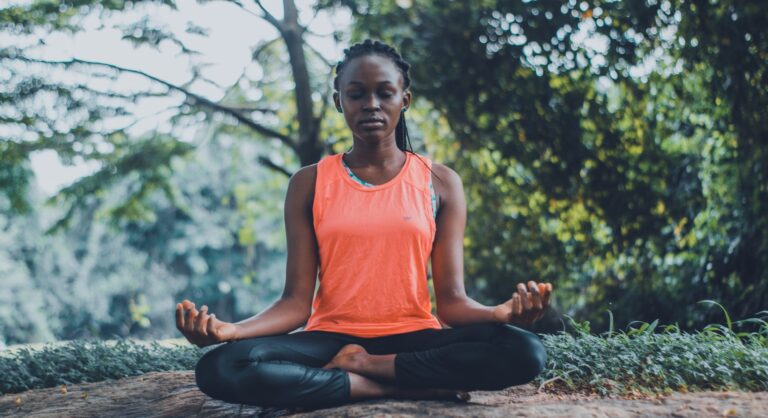
A woman sits cross legged with her hands resting on the top of her legs – meditating.
› Back to top
« back
08.10.21 | Community

Embracing the cultural process of aging

As we articulate in the Sage Vibrant Living Manifesto, cultural perceptions of aging have an enormous impact on individuals and their communities. As we continue to fight ageism and the traditional American notions of aging that many of us still experience today, we look to the wisdom of others to share new ways of thinking and doing.

Carl Honoré, writer and activist, argues that in order to age better we must feel better about the process. Learning how to age better in a world where aging is presented in a negative frame can be extremely hard, but it only takes a few minutes to change your perspective. In his TED Talk, Honoré explains how to embrace the aging process. Honoré also delves into his method for combating ageist traditions and practices within our lives. Watch below to learn more:

A quote sits on top of an image of two older adults laughing. The quote reads "We need to feel better about aging in order to age better," and is attributed to Carl Honore. The sage logo sits in the bottom right corner.
› Back to top
« back
08.05.21 | Sage Advice®

Understanding Mutual Aid: How It Can Support Community Success

At Sage Collective, we strive to foster feelings of value, engagement and community. One of the most impactful ways these shared values can be attained is through the action of practicing mutual aid in our everyday lives. 

The concept of mutual aid is something not talked about enough, specifically in shared environments. Looking back on the events of the past 18 months, the practice of mutual aid is more important than ever to the continued success and survival of communities like ours all around the world. 

What is it?

Mutual aid (often referred to as care webs)  is a form of public and political participation for neighborhoods, organizations and groups of all sizes. They provide an avenue for looking after and tending to each other’s health and well-being to create more livable, sustainable environments.

The process and goal of mutual aid is to create accessible and collective care by accepting and sharing mutual responsibility within one’s community space. 

Why is it important?

One of the most important reasons why enacting mutual aid in these spaces is such a key to survival is because it helps foster community engagement and social relationships through responsible, collective action. The more people who perform mutual aid in a shared community or group, the greater its tangible benefits spread.

The concept of mutual aid also parallels other values that we hold at Sage Collective, since it lessens the strain on individuals by strengthening the collective will and ability to ensure the success of all. Think about the expression “a rising tide lifts all boats.” That’s mutual aid in a nutshell.

How to practice it?

There are many ways to practice mutual aid in everyday life. Some may practice it in routine activities and others may spend time waiting for an event or specific cause they feel comfortable supporting. The most important thing to remember about mutual aid is that you shouldn’t feel pressured to offer more than you are capable of providing for yourself or your community.

Here are some examples of how to apply mutual aid in your own life:

Offering a space to share information, organizations and resources such as access to healthcare and food services, as well as transportation accessibility. 

Taking political action locally by volunteering for campaigns and vocally supporting policies that may help those in your community, or actively supporting movements, protests and funds that help benefit those in your care web.

Practicing mindfulness and sharing resources for anything from mediation guides to suggestions for dealing with anxiety, grief or anger.

Providing communication skills such as being open to offering translation services, if you are multilingual, to those in need. You can also help others with different technology devices and platforms you might better understand, or training and learning techniques in bystander intervention and/or steps for nonviolent communication. 

These are all ways in which we can help to foster a sense of connectedness and community among your neighbors and friends in support of uplifting the collective.  Everyone has something that they can share with those who could use a little help in the community.  Sage encourages you to engage your friends and family to initiate activities that provide others a chance to share their skills and experience with those in need.  This isn’t a new concept, it’s simply one that could use a little refreshing.

A group of people holding each other.
› Back to top
« back
10.15.20 | Sage Advice®

Understanding Telehealth, and The Challenges That Come With It

Though intended to streamline the doctor-patient interaction, telehealth can prove particularly challenging to a vulnerable population it otherwise has potential to serve: older adults. To unpack the topic of telehealth, and to address the challenges that come with it, we sat down with Dr. Joseph K. West. Dr. West is an epidemiologist, population health and data analytics leader with over 15 years of experience in healthcare, research, and enterprise consulting, as well as a member of the Sage Collective leadership team.

What Is Telehealth?

Telehealth (also called telemedicine) is the provision of healthcare through electronic communications. Dr. West describes in greater detail: “Telehealth is the opportunity to use technology (such as a tablet, mobile device or desktop computer) to connect any recipient, older adult or otherwise, to their care provider whether that’s a nurse, RN, physician or specialist.”

“This online connection allows healthcare providers and patients to do a couple things remotely: to conduct initial screenings, to ask and answer questions related to physical or mental health and to conduct medication adherence followup. And because telehealth appointments are conducted over video conferencing technology, it gives healthcare providers the ability to actually see the patient and assess how they’re doing more intimately,” explains Dr. West. 

Overall, Dr. West says, “telehealth is really an opportunity to expedite the physician patient interaction, which is of particular benefit when access to transportation may be an issue, or when patients have other safety concerns about physically going to their healthcare provider.” 

Particularly during the time of COVID-19, the ability to connect online rather than in-person has proved beneficial for many. But telehealth isn’t always an accessible option for all.

Challenges Related to Telehealth

Like any technology, telehealth is intended to streamline an oft complicated process, but the experience is only as seamless as one’s access to infrastructure and understanding of the technology. And access can be a barrier for some, says Dr. West: “For some areas, like high-concentration urban centers with strong Internet access, telehealth can be great. But we have to remember the extent of telehealth’s capability is built upon whether or not you have the right infrastructure, and in rural areas oftentimes where telehealth can be most necessary the infrastructure isn’t always there, and therefore, neither is access.”

Another hurdle to overcome, particularly for older adults, is building understanding and trust of the devices used in telehealth. “There’s a number of wearable devices, which can track anything from blood pressure to gait, that can further streamline telehealth communication between provider and patient. But for a generation that’s already weary of technology, many older adults see these devices as intrusive. And addressing those concerns can be tricky,” explains Dr. West.

And building trust is a challenge now more than ever. “Throughout the COVID-19 pandemic, we’re finding that people are more and more distrustful of their providers and of information. They’re trying to decipher what’s accurate and what’s in their best interest, and there are so many conflicting sources,” says Dr. West.

As telehealth’s popularity rises, many older adults have been receiving free tablets in the mail (or similar offers), from invested parties that see the device as an opportunity to hook business down the line, Dr. West tells us. For seniors, this becomes an increasing source of confusion, because they don’t know whether the third party truly has their best interest in mind. With so many players in the field, and so many different agendas, the subsequently bred mistrust flourishes amongst older adults, who feel they have no advocate to help them navigate a confusing new arena.

“When we think about finding solutions to these challenges, in telehealth and beyond,” reflects Dr. West, “the core issue is ensuring older adults have ample access to care and ample access to information. We have to build trust not just in providers, but in healthcare itself, and demonstrate that those in charge are invested in providing care that’s in older adults’ best interest. What older adults truly need are more people on their side, and more people advocating for them. Otherwise, we’re not providing the right kind of support for one of our most vulnerable populations.”

JOSEPH WEST
› Back to top