Third Spaces and the Art of Living Vibrantly
For most of our lives, we move between two primary spheres: home and work. These are our “first” and “second” spaces — familiar, structured, and essential. But as we age, and as work evolves or recedes from daily routines, a different kind of space becomes profoundly important: the third space.
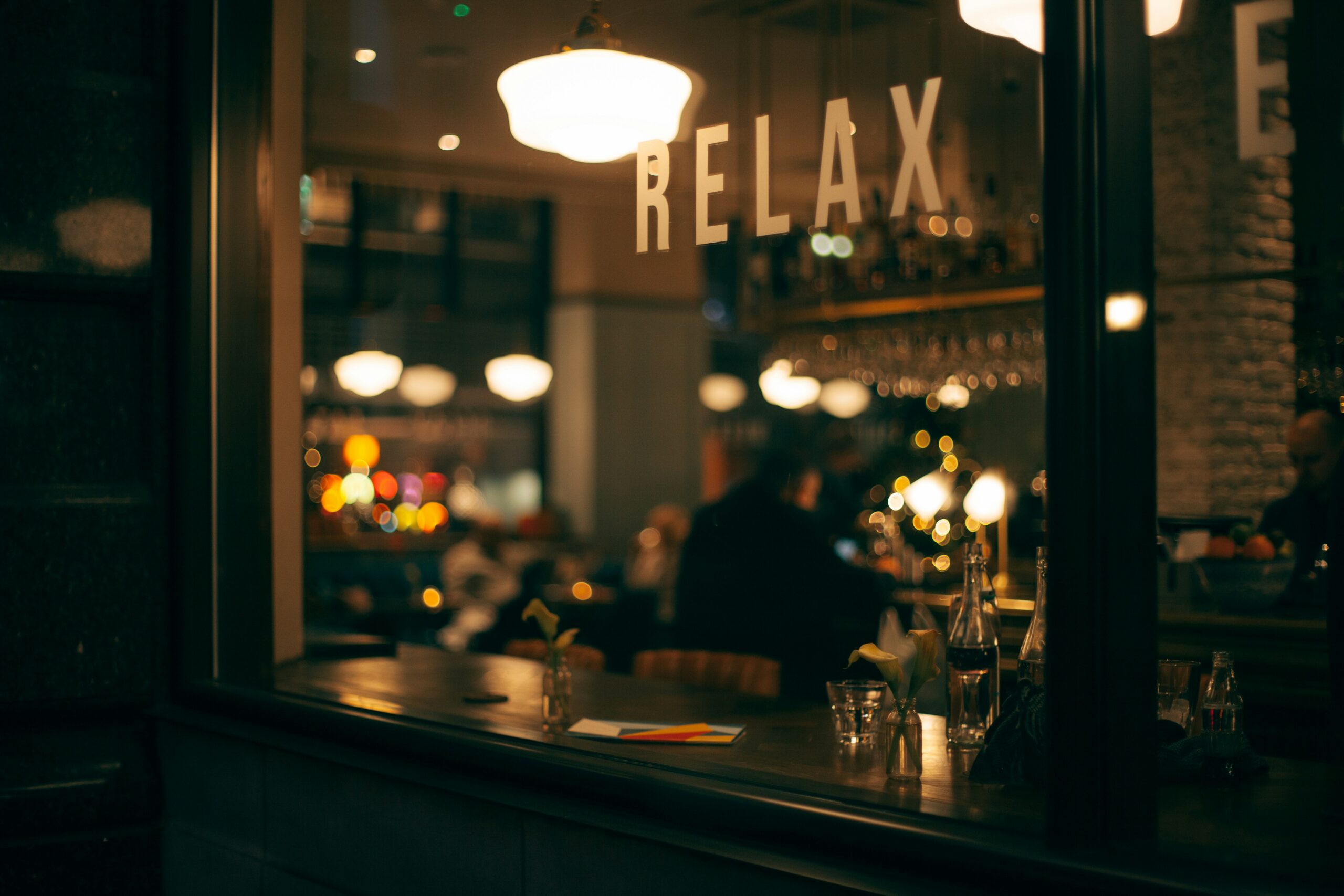
Coined by sociologist Ray Oldenburg, third spaces are the places where community quietly but powerfully happens — cafés, libraries, community centers, art studios, gardens, walking paths, fitness rooms, spiritual spaces. They are the informal gathering places that sit between the private world of home and the purposeful world of work. And for older adults, they offer something indispensable: belonging, connection, and a renewed sense of possibility.
At Sage Collective®, we believe that vibrant living emerges from the interplay between individual purpose and shared experience. Third spaces are where that interplay comes alive.
A Sense of Belonging
As people move through later chapters of life, transitions — retirement, shifts in family roles, relocations, even changes in mobility — can quietly alter the contours of social life. Third spaces help counteract that by providing environments where presence alone is enough. No appointment necessary. No agenda required. You simply show up — and, over time, feel part of a place.
A familiar seat at a café. A welcoming nod at a weekly chair yoga class. The gentle camaraderie of a walking group that traces the same neighborhood path every morning. These recurring moments stitch together a sense of belonging that can anchor emotional well-being.
Micro-Connections that Matter
Third spaces invite small encounters — the kind that often seem inconsequential but shape the emotional climate of a day. A minute of laughter with someone in line. A shared comment about the weather. A compliment on a book someone is reading.
Research shows that these micro-connections boost mood, increase cognitive engagement, and reduce feelings of isolation. They keep minds stimulated and spirits buoyed. They remind us that community is not only built through deep relationships, but also through brief and meaningful human exchanges.
Spaces for Self-Expression
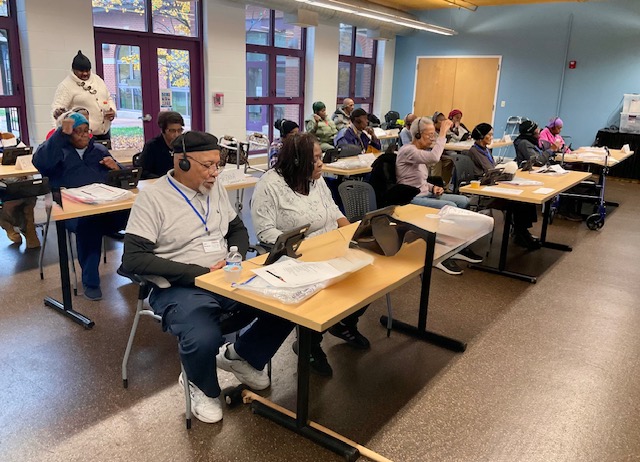
Third spaces offer more than social interaction — they offer pathways for creativity, curiosity, and lifelong learning. A pottery studio becomes a haven for experimentation. A local library hosts workshops that introduce a new skill or ignite a dormant interest. A community garden becomes a setting for tending not only plants, but purpose.
For many older adults, these spaces reignite passions or spark new ones, providing a sense of identity beyond traditional roles. They support resilience, growth, and joy — all hallmarks of vibrant living.
A Bridge to Wellness
Movement, mindfulness, and social engagement all play essential roles in healthy aging. Third spaces often combine these without ever calling them by name. A tai chi class in the park. A dance session at the senior center. A quiet reading nook that encourages calm and reflection. They invite older adults to stay active in ways that feel organic rather than prescriptive, and to cultivate wellness through experience rather than obligation.
Where Community and Purpose Meet
At their core, third spaces help people feel connected — to one another, to their communities, and to themselves. And connection is foundational to a fulfilling life at every age. For Sage Collective®, these spaces embody our belief that vibrant living is a holistic practice: mental, physical, emotional, and social well-being intertwined. They remind us that growth is lifelong, community is chosen as much as inherited, and purpose thrives where people gather with intention — or even with no intention at all.
Third spaces sustain us. They welcome us. And for older adults seeking to live fully, richly, and vibrantly, they offer an open door into a life of continued meaning.